Artificial Intelligence (AI) has emerged as a transformative force in the modern world, revolutionizing industries and reshaping the way we interact with technology. Among its many branches, Generative AI stands out as a remarkable innovation capable of producing original content—be it text, images, music, or even complex data representations. Generative AI is not merely a tool; it is a creative companion, amplifying human ingenuity and breaking new ground in creativity and problem-solving. This article delves into the foundations of Generative AI, how it works, its applications, benefits, challenges, and ethical considerations.
What Is Generative AI?
Generative AI refers to a subset of artificial intelligence focused on creating content that mimics or extends human creativity. It leverages deep learning techniques to learn patterns, structures, and nuances from existing datasets and generates new outputs based on that knowledge. Unlike traditional AI systems that primarily classify or analyze data, Generative AI is designed to produce outputs that are original and varied.
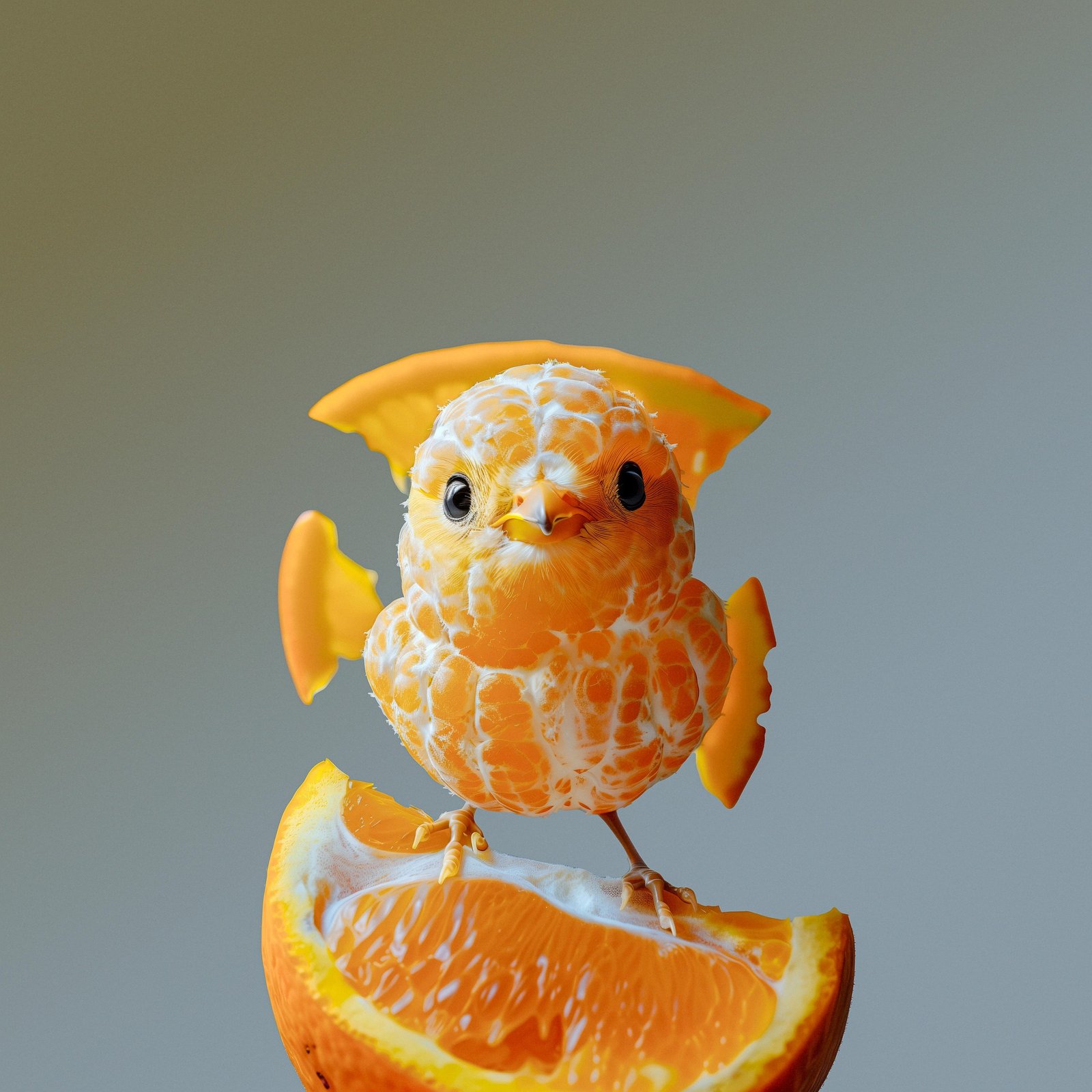
Generative AI models aim to simulate creativity rather than replicate existing content. For instance, they can compose music that feels human-made, write stories with coherent plotlines, or create visual art inspired by specific styles.
How Generative AI Works
Generative AI relies on cutting-edge machine learning techniques and neural network architectures. Key mechanisms include:
-
Neural Networks:
- Neural networks are the building blocks of Generative AI. They process data through layers of interconnected nodes to capture complex relationships between inputs and outputs.
-
Generative Adversarial Networks (GANs):
- GANs consist of two sub-models: a generator and a discriminator. The generator produces outputs (e.g., images), while the discriminator evaluates their authenticity against real data. This adversarial training process refines the generator until it produces highly realistic outputs.
-
Transformer Models:
- Transformer architectures, such as GPT (Generative Pre-trained Transformer), are widely used for natural language generation. They employ attention mechanisms to understand the context and generate coherent sequences of text.
-
Diffusion Models:
- Diffusion models are an advanced approach to image generation. They reverse the process of adding noise to data, producing high-quality visuals.
-
Variational Autoencoders (VAEs):
- VAEs compress data into lower-dimensional representations and reconstruct it, enabling the generation of variations on original inputs.
The training process involves feeding the model with vast amounts of data to learn underlying patterns. Once trained, the model can generate novel outputs based on user-defined prompts or specifications.
Applications of Generative AI
Generative AI has diverse applications across industries, showcasing its transformative potential. Below are some key areas where Generative AI is making an impact:
-
Content Creation:
- Generative AI is empowering writers, marketers, and designers by generating blog posts, advertisements, scripts, and social media captions.
-
Visual Art and Design:
- Platforms like DALL-E and MidJourney enable users to create stunning artwork by simply describing their vision in words.
-
Gaming:
- Generative AI creates realistic characters, landscapes, and storylines for immersive gaming experiences.
-
Healthcare:
- AI models assist in designing new drugs, predicting molecular structures, and synthesizing medical images for research and diagnosis.
-
Education:
- Personalized learning tools powered by Generative AI generate study materials, explanations, and quizzes tailored to individual learners.
-
Music and Audio:
- Generative AI composes music and soundtracks, offering new possibilities in entertainment and creativity.
-
Fashion and Retail:
- Designers use Generative AI to conceptualize clothing, accessories, and customer experiences.
-
Programming and Software Development:
- Tools like GitHub Copilot leverage Generative AI to suggest, write, and debug code efficiently.
-
Scientific Research:
- Researchers use Generative AI to simulate experiments, analyze data, and generate hypotheses.
-
Customer Support:
- AI-driven chatbots and virtual assistants offer contextual and empathetic responses to user queries.
Benefits of Generative AI
Generative AI has proven to be a powerful tool, offering several advantages:
-
Boosting Creativity:
- Generative AI enables individuals and organizations to explore new ideas and push the boundaries of innovation.
-
Time Efficiency:
- It automates labor-intensive processes, reducing the time required to create high-quality content.
-
Cost Savings:
- By reducing reliance on manual work, Generative AI lowers production costs across various industries.
-
Scalability:
- It allows businesses to create personalized content and solutions at scale.
-
Enhanced Personalization:
- Generative AI tailors outputs to meet specific user preferences, enhancing engagement and satisfaction.
Challenges of Generative AI
Despite its immense potential, Generative AI comes with challenges:
-
Data Dependency:
- The quality of outputs depends heavily on the quality of training data. Biased or incomplete datasets can lead to flawed results.
-
Resource Intensive:
- Training and deploying Generative AI models require significant computational resources, which may limit accessibility.
-
Lack of True Understanding:
- While Generative AI can emulate creativity, it lacks genuine comprehension of its outputs.
-
Ethical Concerns:
- The misuse of Generative AI for creating fake news, deepfakes, or malicious content poses ethical risks.
-
Legal and Copyright Issues:
- Using existing data to generate new content raises questions about intellectual property rights.
Ethical Considerations
The rise of Generative AI has sparked debates around its ethical implications. Key concerns include:
-
Bias and Fairness:
- Developers must address biases in training data to ensure equitable and unbiased outputs.
-
Privacy:
- The use of personal data in training datasets raises privacy concerns.
-
Misinformation:
- Generative AI can be exploited to create misleading content, requiring safeguards to prevent misuse.
-
Transparency:
- Users should understand how Generative AI works and the limitations of its outputs.
-
Job Impact:
- The automation of creative tasks may affect employment in sectors like writing, design, and entertainment.
The Future of Generative AI
As technology advances, Generative AI is poised to play an even greater role in shaping our world. Future developments may include:
-
Improved Models:
- Research will focus on creating more efficient and interpretable models that require fewer resources.
-
Global Collaboration:
- Partnerships between countries and organizations will drive innovation and ethical use of Generative AI.
-
AI-Augmented Creativity:
- Generative AI will increasingly complement human creativity, enabling novel forms of art, storytelling, and design.
-
Integration Across Domains:
- Applications of Generative AI will expand into areas like robotics, virtual reality, and sustainable development.
Conclusion
Generative AI represents a remarkable leap in the capabilities of artificial intelligence. By simulating creativity, it empowers humans to explore uncharted territories in art, science, and innovation. While challenges and ethical concerns remain, responsible development and usage of Generative AI hold the promise of a brighter, more creative future.